Systems That Actually Respond to Your Home
Remediations & Upgrades in the Hudson Valley for outdated controls and inefficient heating equipment
Advanced Radiant Design handles complete heating and cooling system overhauls across the Hudson Valley, replacing outdated equipment and control panels with intelligent, self-regulating systems that coordinate indoor and outdoor temperature feedback loops. When your current system runs continuously without adjusting to actual conditions, or when different zones compete rather than work together, modern control integration changes how the entire system operates. Equipment swap-outs move beyond simple boiler replacement to address distribution inefficiencies, control logic, and multi-zone coordination that legacy systems were never designed to handle.
Remediation work includes retrofitting control systems to support programmable scheduling, remote access, and independent temperature settings for separate zones—features that reduce energy consumption while ending the constant thermostat adjustments older systems require. Whole-system redesigns convert forced-air setups to hydronic radiant heating and cooling configurations, eliminating the air quality and comfort consistency issues that come with ductwork. CAD-designed layouts ensure new piping, manifolds, and radiant panels integrate with existing building structures without requiring extensive demolition.
Schedule a system evaluation to identify control inefficiencies and equipment replacement priorities for your property.
How Modern Controls Change System Performance
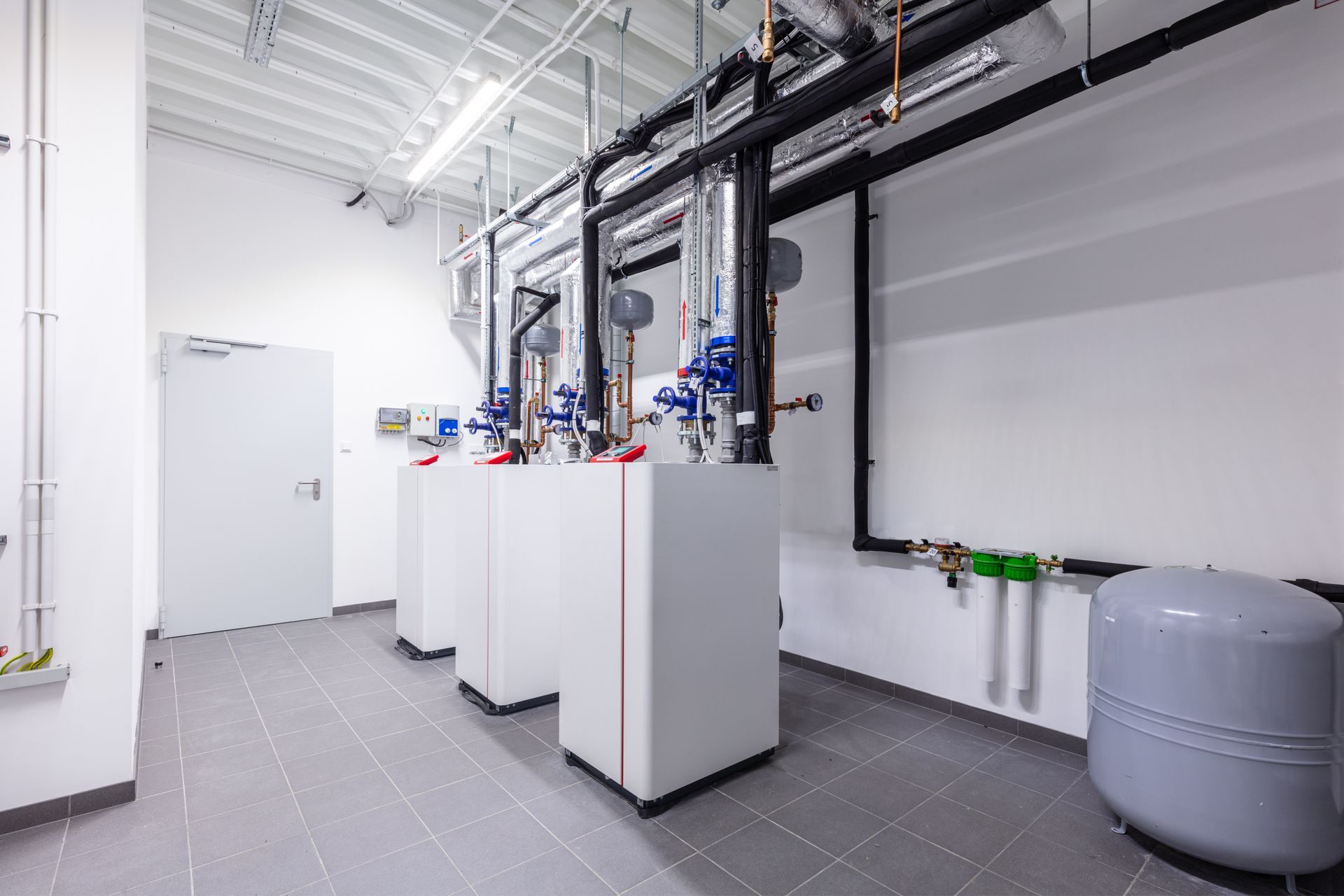
Control upgrades involve replacing basic on/off thermostats with multi-zone systems that manage boiler output, domestic hot water demand, pool heating schedules, and central air coordination through a single interface. Installation includes wiring for outdoor temperature sensors that adjust system output before indoor temperatures fluctuate, reducing the constant cycling that wears out components and wastes energy. You stop manually adjusting settings room by room because the system recognizes when solar gain, occupancy patterns, or weather shifts require different heating or cooling responses.
After system remediation finishes, rooms reach set temperatures without overshooting, equipment runs for longer intervals at lower output rather than short bursts at maximum capacity, and energy bills drop because the system only delivers the exact heating or cooling each zone requires at that moment. Advanced Radiant Design balances hydronic distribution during commissioning so every zone receives proper flow rates, ending the pattern where some rooms overheat while others stay cold. Remote access means you adjust schedules from anywhere rather than returning to a cold house or running the system all day unnecessarily.
Equipment swap-outs include conversion to geothermal heat pumps, high-efficiency condensing boilers, and low-temperature radiant systems that operate at 120°F instead of the 180°F traditional baseboard systems demand. Lower operating temperatures extend equipment life, reduce standby losses, and allow integration with solar thermal or heat recovery systems that older high-temperature equipment cannot accommodate.
Upgrading existing systems raises specific questions about compatibility, disruption, and performance changes you'll notice immediately.
What Homeowners Ask About System Overhauls
What determines whether controls need upgrading or the entire system requires replacement?
Systems with functional distribution components but outdated controls benefit from integration of programmable multi-zone panels and outdoor reset logic, while systems with undersized boilers, corroded piping, or unbalanced zones need full remediation including new heat sources and distribution networks designed for current building loads.
How does converting from forced air to radiant heating affect indoor air quality?
Radiant systems eliminate the constant air circulation that spreads dust, allergens, and cooking odors throughout the house, and because heat radiates from surfaces rather than blowing from vents, humidity levels stay more consistent without the drying effect forced-air systems create during Hudson Valley winters.
What happens to existing flooring when radiant heating gets installed during a remediation?
Installation methods depend on floor construction—staple-up systems attach tubing to subfloor joists from below without disturbing finished surfaces, while thin panel systems fit within floor build-up during renovations, and poured gypcrete embeds tubing when completely new floors are planned.
Why do geothermal swap-outs include changes to indoor distribution equipment?
Geothermal heat pumps produce lower supply temperatures than boilers, requiring larger radiators, radiant panels, or in-floor heating to deliver the same heat output—existing baseboard often cannot transfer enough heat at geothermal temperatures, so distribution gets redesigned during the equipment upgrade.
When should control system optimization happen if equipment still functions adequately?
Control upgrades make sense when energy bills seem high relative to usage, when rooms consistently overheat or underheat despite thermostat adjustments, or when you want scheduling and remote access features that current controls cannot support—optimization extends equipment life by reducing stress from constant cycling and temperature swings.
Advanced Radiant Design develops remediation plans based on detailed assessment of your current system's performance gaps and efficiency losses. Request a consultation to review control integration options and equipment replacement timelines specific to your heating and cooling needs.