Mechanical and Electrical Systems
Design & Build services in the Hudson Valley for integrated heating, cooling, and hydronic system planning
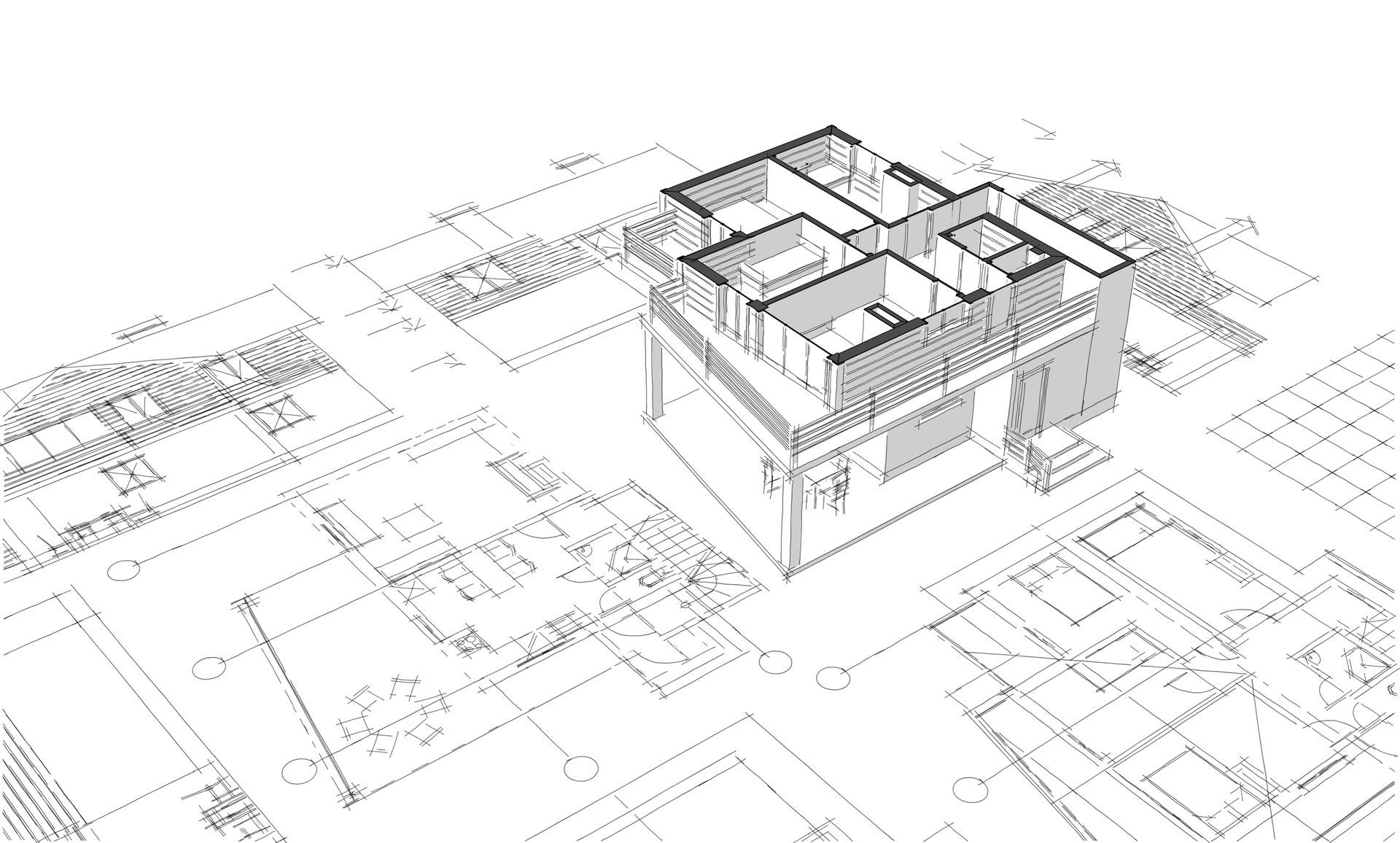
Detailed CAD-based system layouts developed in-house allow Advanced Radiant Design to engineer hydronic radiant heating, geothermal installations, and multi-zone control systems with precise equipment placement, piping routes, and load-matched component sizing before any material orders or installation work begins. Projects move from concept through commissioning under one contract, eliminating coordination failures that occur when design consultants hand off drawings to unfamiliar installers who then discover conflicts or impractical specifications during construction. This design-build approach means the team engineering your hydronic distribution also handles tubing layout, manifold installation, and system balancing—ensuring design intent actually translates to field performance.
System design considers building envelope performance, solar gain patterns, occupancy schedules, and future expansion possibilities, producing solutions where boiler capacity, zone configurations, and control strategies align with how you actually use the space rather than generic sizing charts. Integration planning coordinates hydronic radiant floor heating with domestic hot water demand, snow melt system operation, and central air distribution so these systems share heat sources and controls efficiently instead of operating as separate equipment installations competing for energy and space.
Request a project consultation to review site conditions and establish design parameters for your mechanical system.
The Difference Between Generic Design and Site-Specific Engineering
Site-specific design starts with heat loss calculations for every conditioned room, factoring insulation values, window specifications, air infiltration rates, and orientation to determine exact heating requirements rather than applying square footage rules of thumb. Equipment selection then matches those calculated loads, incorporating efficiency goals, fuel availability, and space constraints to specify boilers, heat pumps, or hybrid systems with appropriate capacity and turndown ratios. Multi-zone layout divides the building based on exposure, usage patterns, and architectural features, creating independent temperature control where it matters functionally rather than just adding zones for marketing appeal.
After installation and commissioning complete, rooms reach set temperatures simultaneously regardless of location or sun exposure, equipment modulates output smoothly rather than cycling on and off repeatedly, and system controls adjust heating or cooling delivery automatically as outdoor conditions change throughout the day and season. Testing confirms flow rates, supply temperatures, and zone balance match design specifications, with adjustments made during commissioning rather than left for homeowners to troubleshoot later.
Alternative energy integration includes sizing geothermal well fields to match building loads, coordinating solar thermal collectors with hydronic storage, and designing biomass systems with proper combustion air and fuel handling—applications requiring equipment knowledge and installation experience beyond conventional heating contractors. Sustainability focus shapes material selection, system efficiency targets, and control strategies that reduce long-term energy consumption and carbon footprint while maintaining comfort and reliability.
Full-service design-build projects involve decisions about scope, coordination, and deliverables that affect both construction timelines and long-term system performance.
Common Questions About This Service
What happens during the design phase before installation begins?
Design development includes site meetings with architects and builders, detailed load calculations and equipment sizing, CAD layout of all mechanical components and piping routes, specification of controls and zone configurations, and coordination drawings showing how the system integrates with structural, electrical, and plumbing elements.
How does in-house design-build prevent the coordination problems that delay projects?
When the same team engineers the system and installs it, design decisions account for field realities like joist spacing, beam locations, and existing utility conflicts—eliminating the change orders and delays that occur when installers receive drawings specifying impossible pipe routes or equipment placements that conflict with structure.
Why do radiant system designs specify different tubing spacing in different rooms?
Rooms with higher heat loss from exterior walls, windows, or cathedral ceilings require closer tubing spacing or higher supply temperatures to maintain comfort, while interior rooms with minimal heat loss need wider spacing to prevent overheating—custom layouts deliver even temperatures across all spaces rather than treating the entire house as one zone.
What testing confirms the system operates according to design specifications?
Commissioning in the Hudson Valley includes pressure testing all hydronic circuits, measuring flow rates at each manifold zone, verifying supply and return temperatures under design conditions, confirming sensor calibration and control logic, and documenting system performance against calculated heating and cooling loads.
When should design-build engagement start relative to architectural planning?
Early involvement during schematic design allows mechanical system requirements to inform architectural decisions about equipment room locations, floor build-up depths, and utility routing, preventing situations where completed architectural plans leave insufficient space or access for properly sized mechanical systems.
Advanced Radiant Design coordinates with all project trades to ensure mechanical installations proceed without conflicts or delays. Schedule a design review to discuss system options, integration requirements, and project delivery timelines tailored to your specific building and performance objectives.