
Heating Systems Built Into the Foundation
New Construction Projects in the Hudson Valley for custom hydronic radiant heating, geothermal installations, and automated snow melt systems
Installing hydronic radiant floor heating during new construction means tubing gets embedded directly into concrete slabs or secured beneath subfloors before finished surfaces go down, creating even heat distribution that eliminates the cold spots and drafts forced-air systems produce. Advanced Radiant Design engineers custom layouts for each build, coordinating boiler sizing, tubing spacing, and zone configurations with architectural plans and load calculations before foundation work begins. This approach allows integration of geothermal heat pumps with closed-loop well systems, snow melt grids in driveways and walkways, and multi-zone controls—all designed as one cohesive system rather than equipment added room by room after walls close up.
New construction timing allows vertical or horizontal geothermal well installation before landscaping, placement of radiant tubing before concrete pours, and routing of hydronic piping before drywall—coordination that becomes exponentially more difficult and expensive during renovation projects. Boiler selection considers not just heating loads but integration with domestic hot water, future expansion zones, and compatibility with low-temperature radiant systems that operate efficiently at 120°F supply temperatures.
Arrange an initial design consultation to establish system requirements and integration timelines for your new build.
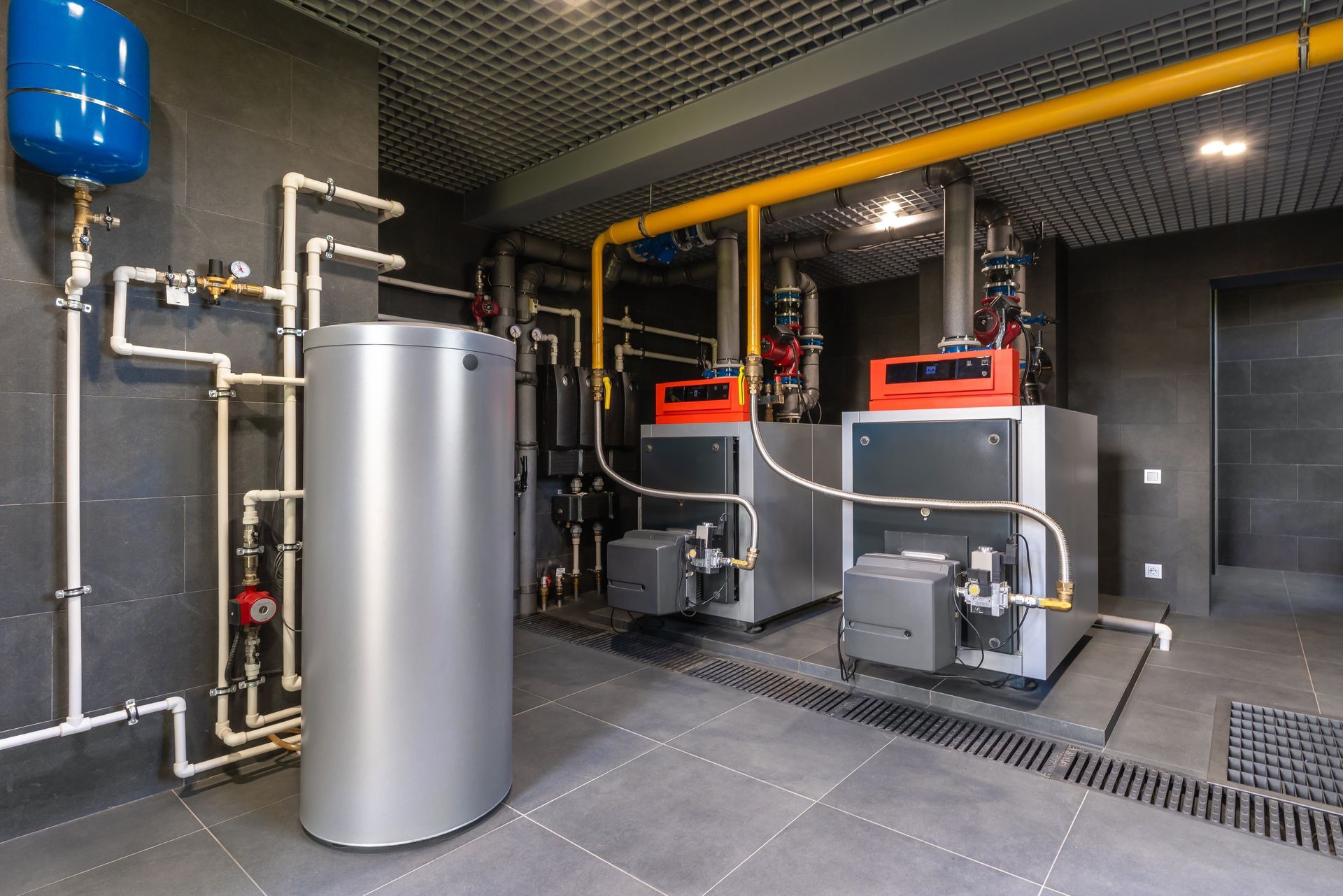
What Proper Radiant System Design Requires
Design work begins with heat loss calculations for each room based on window areas, insulation values, and orientation, which determine tubing loop lengths, spacing patterns, and supply temperature requirements. CAD layouts show exactly where manifolds mount, how zones divide, and where controls integrate, giving builders clear installation drawings that prevent conflicts with structural elements, electrical rough-ins, or plumbing. Snow melt systems require moisture and temperature sensors embedded at finished grade, relay panels coordinating with heat sources, and tubing density calculated to melt snow at specific rates based on driveway square footage and Hudson Valley snowfall patterns.
Once installation completes and the system pressurizes, you notice warm floors the moment heat calls, outdoor surfaces that stay clear without shoveling or chemical application, and room temperatures that remain consistent without the two- or three-degree swings thermostats usually allow. Geothermal systems produce both heating and cooling from the same equipment, eliminating separate furnace and air conditioner installations while reducing energy costs through highly efficient ground-source heat exchange.
Condensing boilers installed during new builds achieve efficiency ratings above ninety percent by extracting heat from combustion exhaust, but they require proper venting, condensate drainage, and integration with outdoor reset controls that adjust output based on actual weather conditions. Systems designed for future expansion include oversized manifolds, additional control zones, and boiler capacity that accommodates additions or finished basements without requiring complete equipment replacement later.
New construction decisions affect system performance and costs for decades, making upfront planning critical.
Questions Before Starting Your Project
What flooring materials work with radiant floor heating systems?
Tile, stone, polished concrete, and engineered hardwood transfer heat efficiently and tolerate temperature cycling, while solid hardwood requires specific installation methods and moisture control to prevent cupping, and carpet with thick padding insulates against heat transfer, reducing system responsiveness.
How do geothermal well systems get sized for heating and cooling loads?
Closed-loop geothermal design in the Hudson Valley typically requires 150 to 200 feet of vertical bore depth per ton of heating capacity, with well quantity and configuration determined by soil thermal conductivity, available land area, and whether the system provides heating only or combined heating and cooling.
Why do snow melt systems activate before snow actually falls?
Moisture and temperature sensors trigger the system when conditions indicate precipitation and surface temperatures drop below freezing, allowing the driveway or walkway to warm before accumulation begins—starting after snow lands requires significantly more energy to melt existing buildup rather than preventing accumulation.
When should radiant heating zones get separated in open floor plans?
Zoning makes sense when spaces have different solar exposure, occupancy patterns, or temperature preferences—south-facing rooms with large windows often need independent control from north-facing areas, and bedrooms typically require different schedules than living spaces even within open layouts.
What documentation do you provide after installation finishes?
System commissioning includes as-built CAD drawings showing final tubing layouts and component locations, control programming sheets detailing zone settings and schedules, equipment specifications and warranty documentation, and performance testing results confirming design temperatures and flow rates.
Turnkey installation by Advanced Radiant Design means design accuracy translates directly to field execution without coordination gaps between engineers and installers. Contact us to discuss mechanical system design and equipment selection aligned with your construction timeline and performance goals.